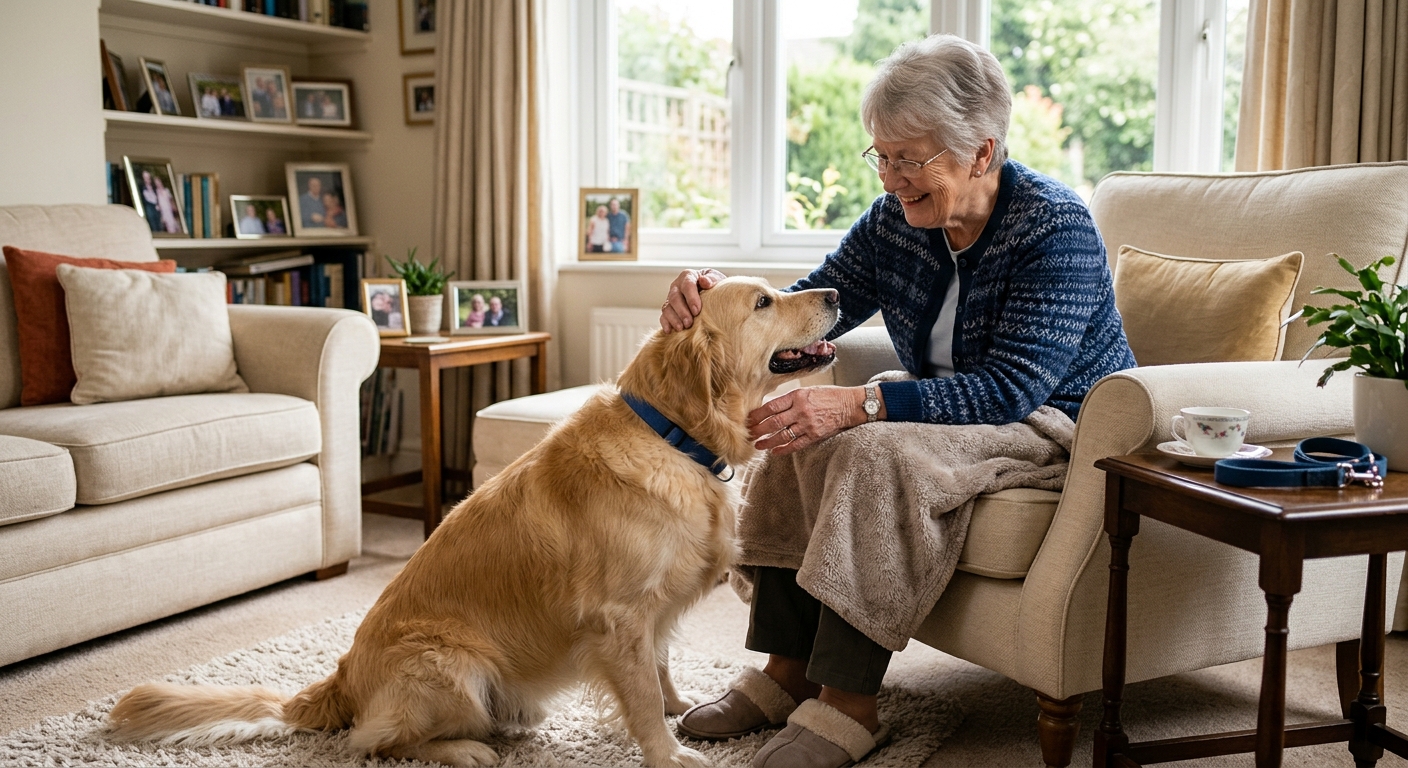
The Indispensable Role of Clinical Support Animals in Long-Term At-Home Care
Long-term at-home care often presents unique challenges, from managing chronic conditions to navigating feelings of isolation. In this context, Clinical Support Animals, encompassing both Emotional Support Animals (ESAs) and Psychiatric Service Dogs (PSDs), emerge as powerful allies. These animals provide far more than just companionship; they offer structured support, emotional stability, and a consistent presence that can significantly enhance the quality of life for individuals receiving care in their own homes.
Enhancing Emotional Well-being and Reducing Isolation
For many individuals in long-term at-home care, loneliness and depression can be significant hurdles. ESAs offer unconditional love and a constant source of comfort, which can be particularly beneficial. The simple act of petting an animal has been shown to reduce stress hormones and lower blood pressure, fostering a sense of calm and well-being. This daily interaction can combat feelings of isolation, providing a sense of purpose and a reason to engage with the world.
- Companionship: A consistent, non-judgmental presence that alleviates loneliness.
- Stress Reduction: Interaction with animals naturally lowers anxiety and promotes relaxation.
- Mood Regulation: The joy and routine of caring for an animal can significantly improve mood and combat depressive symptoms. For those struggling with mental health challenges, understanding how a Clinical Support Animals emotional support dog housing letter for depression can provide crucial housing protections is invaluable for maintaining stability at home.
Promoting Routine and Gentle Activity
Maintaining a routine is essential for stability in long-term care, and Clinical Support Animals can naturally facilitate this. Feeding times, walks (if applicable and possible), and playtime create a predictable schedule that can anchor an individual's day. Even for those with limited mobility, simply engaging in gentle play or grooming an animal provides mild physical activity and mental stimulation.
Psychiatric Service Dogs, specifically trained to perform tasks that mitigate a person's psychiatric disability, take this support a step further. They might remind owners to take medication, provide deep pressure stimulation during anxiety attacks, or even retrieve items. These specific tasks contribute directly to an individual's independence and safety within their home environment.
Navigating Housing and Travel with Your Clinical Support Animal
Understanding the legal protections afforded to ESAs and PSDs is crucial for seamless long-term at-home care. The Fair Housing Act ensures that individuals with ESAs and PSDs have the right to live with their animals, even in "no-pet" housing, provided they have a legitimate ESA or PSD letter from a licensed mental health professional. This is a critical consideration for maintaining consistent care and companionship.
While the rules for flying with emotional support animals have evolved, Psychiatric Service Dogs continue to have robust protections under the Air Carrier Access Act. For those who may need to travel, understanding current regulations is vital. Our guides, such as United Airlines Pet Policy: Navigating Travel with Emotional Support and Service Animals in 2026 and Flying with an Emotional Support Animal: Your Comprehensive Guide to Airline Policies and Travel, offer detailed insights into these complex policies, ensuring individuals can travel confidently with their essential companions.
ClinicalSupportAnimals.com: Your Partner in At-Home Care Support
At ClinicalSupportAnimals.com, we understand the profound impact that a legitimate ESA or PSD can have on long-term at-home care. We connect individuals with licensed mental health professionals who can evaluate their needs and provide official ESA or PSD letters, ensuring legal compliance and peace of mind. Our streamlined process makes it easier for you or your loved one to gain the certified support needed to thrive at home with a beloved animal companion.
Conclusion
Clinical Support Animals are more than just pets; they are integral members of the care team for individuals receiving long-term at-home care. By providing emotional stability, fostering routine, and offering specific support tasks, ESAs and PSDs significantly enhance the quality of life, promote independence, and reduce the burden of isolation. Explore how ClinicalSupportAnimals.com can help you secure the legitimate documentation for your essential animal companion, ensuring a more comfortable and supported life at home.