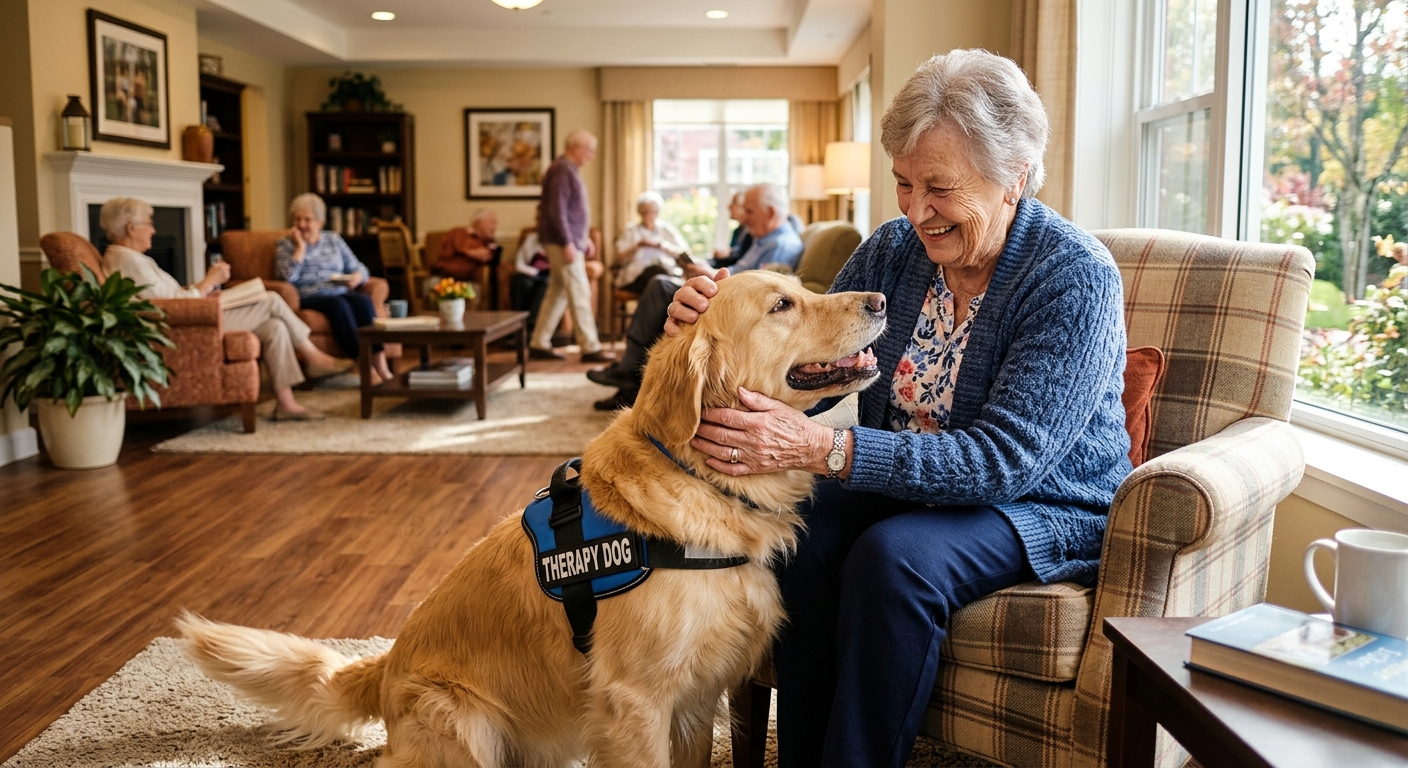
Bringing Your Parent’s Support Pet into Senior Living
As our loved ones age, ensuring their comfort, happiness, and well-being becomes a top priority. For many seniors, a cherished pet is more than just an animal; it's a source of profound emotional support, companionship, and even a reason to stay active. The thought of separating from a beloved cat or dog when transitioning to senior living can be incredibly distressing for both the parent and their family. Fortunately, with the right documentation, a parent's emotional support animal (ESA) or psychiatric service dog (PSD) can often accompany them, providing invaluable continuity of care and comfort.
Understanding Emotional Support Animals and Psychiatric Service Dogs in Senior Living
It's crucial to understand the distinction between different types of support animals. An Emotional Support Animal (ESA) provides comfort and therapeutic benefits through its presence, alleviating symptoms of mental or emotional disabilities. A Psychiatric Service Dog (PSD) is specifically trained to perform tasks directly related to an individual's psychiatric disability. Both are recognized under federal law for housing accommodations, but their definitions and the specific documentation required differ. For a deeper dive into these distinctions, you can read our comprehensive guide on Emotional Support Animal vs. Service Animal: Understanding the Differences and Documentation.
The Legal Landscape: Your Rights and Senior Living Facilities
Under the Fair Housing Act (FHA), housing providers, including senior living facilities, must make reasonable accommodations for residents with disabilities, which includes allowing emotional support animals and service animals, even if they have a "no pets" policy. This means that a legitimate ESA or PSD letter from a licensed mental health professional (LMHP) is a powerful tool in advocating for your parent's right to live with their companion. Facilities cannot discriminate based on breed, size, or weight restrictions for legitimate support animals. For example, if your parent has a large dog, an ESA letter can facilitate accommodations even in places with strict rules, much like how a Clinical Support Animals ESA housing letter can help with Pitbull weight limit exemption.
Steps to Bringing Your Parent’s Support Pet to Senior Living
- Consult with a Licensed Mental Health Professional: The first and most critical step is obtaining a legitimate ESA or PSD letter. This letter must come from an LMHP who has evaluated your parent and determined that the animal provides necessary therapeutic benefits for a recognized mental or emotional disability.
- Communicate with the Senior Living Facility: Once you have the letter, initiate a conversation with the facility's administration. Provide them with the documentation and explain your parent's need for the support animal. Be prepared to answer questions and provide information about the animal's temperament and care.
- Understand Facility Policies (and Your Rights): While facilities must accommodate ESAs, they can still set reasonable rules regarding animal behavior (e.g., leash laws, waste cleanup). It's important to understand these but also know your rights if a facility attempts to deny accommodation without valid reason. If a facility tries to implement a "no-pets" policy or similar restrictions after your parent has moved in with a legitimate ESA, understanding your rights is key. You might find our article on Clinical Support Animals: What to Do If Your Building Switches to 'No-Pets' Mid-Lease helpful in understanding tenant protections.
- Prepare for the Transition: Help your parent and their pet adjust to the new environment. Ensure the pet's needs are met, including walks, food, and veterinary care, and help your parent maintain their bond during this significant change.
The Unrivaled Benefits of Support Animals for Seniors
The presence of a beloved pet offers a multitude of benefits for seniors, particularly those navigating the challenges of aging and new living arrangements:
- Reduced Loneliness and Isolation: Pets provide constant companionship and unconditional love, combating feelings of loneliness common in senior living.
- Increased Physical Activity: Even light walks or playtime can encourage seniors to move more, benefiting their physical health.
- Lower Stress and Anxiety: Petting an animal has been shown to lower blood pressure and reduce anxiety.
- Purpose and Routine: Caring for a pet provides a sense of purpose and structure to daily life, which can be incredibly important for mental well-being.
- Social Interaction: Pets often act as social catalysts, facilitating conversations and connections with other residents and staff.
Conclusion
Bringing a parent’s emotional support animal or psychiatric service dog into senior living is not just about accommodating a pet; it’s about supporting their mental and emotional health during a significant life transition. With the right legal documentation and proactive communication, you can help ensure your loved one continues to thrive alongside their cherished companion, enjoying the comfort and companionship they deserve.
Ready for your ESA housing letter?
A licensed clinician reviews your free 3-minute screening.
Start Your Free Screening