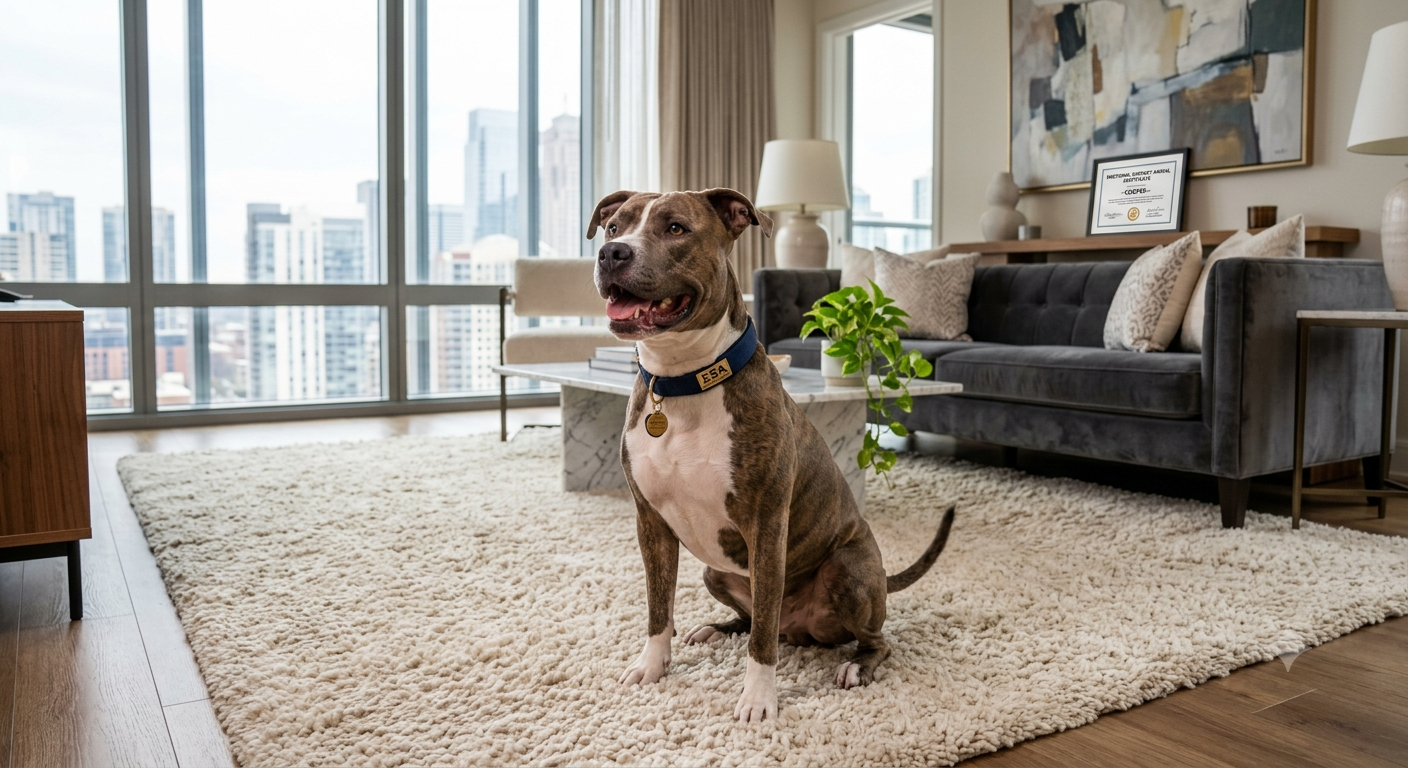
Living in luxury housing often comes with a host of amenities, but it can also present a significant challenge for pet owners, especially those with dog breeds typically deemed "restricted" by property management. Breed-specific bans and weight limits are common, leaving many individuals with beloved companions feeling left out. However, for those who rely on an Emotional Support Animal (ESA) or a Psychiatric Service Dog (PSD) for their mental health, these restrictions may not apply. ClinicalSupportAnimals.com is here to help you understand your rights and protect your furry friend, regardless of their breed, in even the strictest of residential settings.
Navigating Housing Rules with Your Clinical Support Animal
The distinction between a pet and a clinical support animal is crucial. While pets are subject to a landlord's discretion and rules, ESAs and PSDs are considered assistance animals under federal law. This means they are not "pets" in the traditional sense and are afforded specific protections under the Fair Housing Act (FHA).
The Fair Housing Act prohibits discrimination in housing based on disability. If you have a mental health disability and your animal alleviates one or more symptoms of that disability, then your animal qualifies as an assistance animal. This legal protection often overrides "no-pet" policies, breed restrictions, and weight limits that landlords might impose on typical pets. Understanding the nuances between these categories is vital for securing your housing; for a detailed comparison, explore our guide on Emotional Support Animal vs. Service Animal: Understanding Your Rights.
The Power of a Legitimate ESA or PSD Letter
The cornerstone of protecting your restricted breed in luxury housing is a legitimate, verifiable ESA or PSD letter from a licensed mental health professional (LMHP). This letter legally establishes your need for the animal as a reasonable accommodation for your disability. Without it, your animal is simply a pet subject to all housing rules.
What Makes a Letter Legitimate?
- Issued by a Licensed Professional: The LMHP must be licensed in your state and have an established therapeutic relationship with you.
- Specific to Your Needs: The letter should clearly state that you have a disability and that your animal provides necessary support.
- Verifiable: Landlords may verify the authenticity of the letter, but they cannot ask about the specifics of your disability.
It's important to avoid scams and ensure you're obtaining a letter from a reputable source. At ClinicalSupportAnimals.com, we connect you with qualified professionals who understand the legal requirements. Learn more about the process and how to obtain your documentation with our comprehensive guide on Affordable ESA Letters: Your Guide to Emotional Support Animal Certification.
Challenging Breed Restrictions and Size Limits
Many luxury apartments have stringent rules regarding dog breeds, often banning breeds like Pit Bulls, Rottweilers, German Shepherds, and Doberman Pinschers, or imposing strict weight limits. While these policies are legal for pets, they generally cannot be applied to legitimate ESAs or PSDs under the FHA. A landlord must make a "reasonable accommodation" for an assistance animal, which includes waiving breed or weight restrictions.
The only exceptions are if the animal poses a direct threat to the health or safety of others that cannot be mitigated by another reasonable accommodation, or if the accommodation would result in an undue financial and administrative burden for the housing provider. Such instances are rare and require specific, objective evidence, not just stereotypes about a breed.
Steps to Presenting Your Case:
- Obtain Your Letter: Ensure your ESA or PSD letter is current and legitimate.
- Communicate Clearly: Present your letter to your landlord or property management, explaining that your animal is an assistance animal, not a pet, and therefore exempt from pet policies.
- Know Your Rights: Be prepared to politely educate your landlord about their obligations under the Fair Housing Act.
Even for larger breeds, the principle remains the same. The FHA does not discriminate based on an animal's size or breed when it functions as an assistance animal. For further insights into how these regulations apply to bigger companions, refer to Clinical Support Animals: Securing an ESA Housing Letter for Large Breeds.
Ensuring a Smooth Transition in Luxury Housing
While the law is on your side, maintaining a good relationship with your property management is always beneficial. Ensure your assistance animal is well-behaved, leash-trained, and does not cause damage or undue disturbance. Being a responsible owner reinforces the legitimacy of your animal's role and helps foster understanding.
ClinicalSupportAnimals.com is dedicated to empowering individuals with mental health conditions to live freely and comfortably with their essential companions. Don't let breed restrictions or strict housing policies prevent you from having your support animal by your side. With proper documentation and understanding of your rights, your restricted breed can thrive in your luxury home.