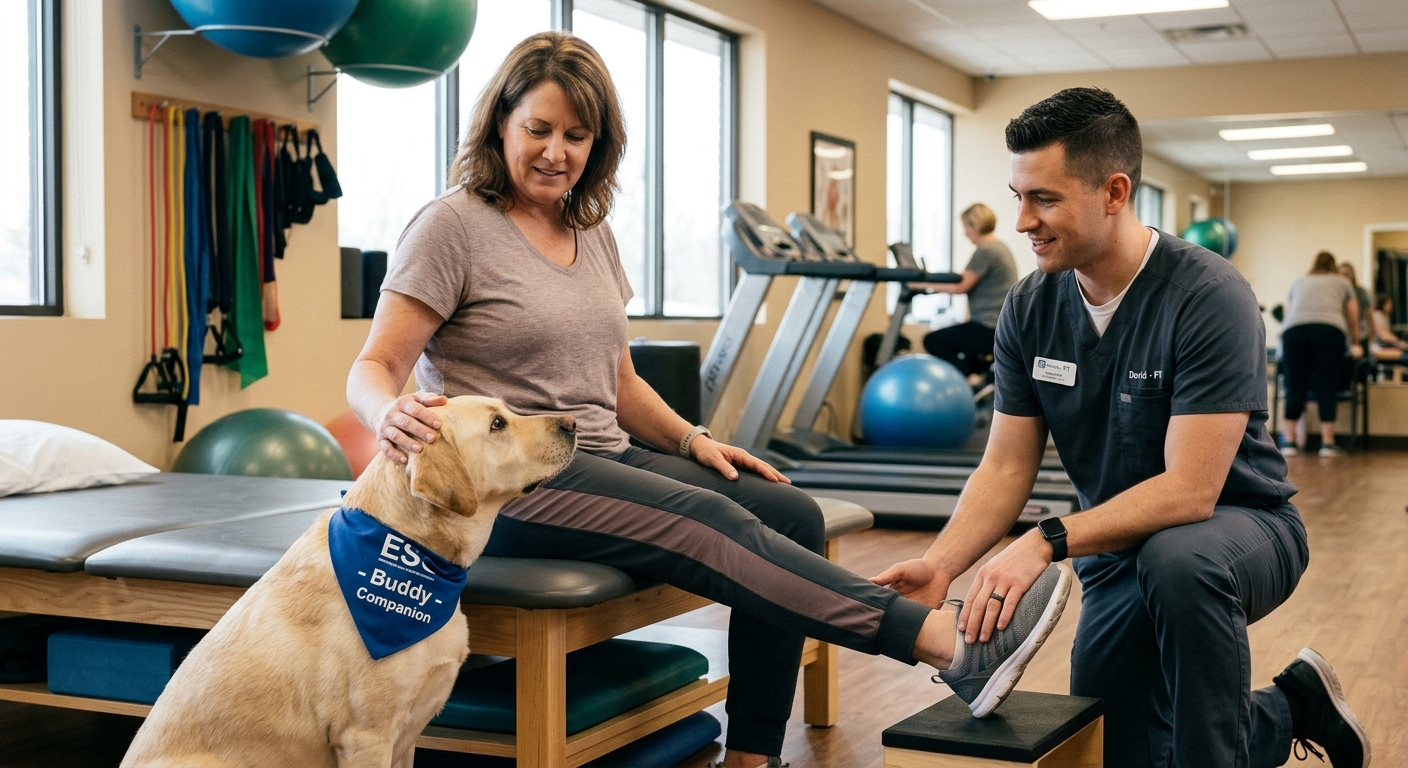
The Unseen Hurdles of Physical Rehabilitation: How ESAs Can Help
Physical rehabilitation is more than just a physical journey; it's a profound mental and emotional challenge. Recovering from an injury, surgery, or chronic condition can be isolating, frustrating, and often painful. Beyond the exercises and medical appointments, patients frequently grapple with anxiety, depression, and a loss of independence. It's in this vulnerable space that the consistent, unconditional support of an Emotional Support Animal (ESA) can become an invaluable ally, helping individuals navigate their recovery with greater resilience and a positive outlook.
Understanding the Role of an Emotional Support Animal
An Emotional Support Animal is more than a pet; it's a companion prescribed by a licensed mental health professional to provide therapeutic benefits to an individual with a mental or emotional disability. Unlike service animals, ESAs don't require specific task training, but their presence alone can alleviate symptoms of anxiety, depression, PTSD, and other conditions. For those undergoing physical rehabilitation, the psychological boost an ESA provides can directly impact their physical progress.
The Mind-Body Connection in Recovery
The link between mental well-being and physical recovery is undeniable. Stress and emotional distress can trigger physiological responses that hinder healing, increase pain perception, and even suppress the immune system. Conversely, a positive mindset, reduced anxiety, and a sense of purpose can accelerate rehabilitation, improve adherence to treatment plans, and enhance overall outcomes. An ESA offers a constant source of comfort, distraction from pain, and a reason to stay engaged and motivated during what can be a grueling process.
How an ESA Supports Your Rehabilitation Journey
The benefits of having an ESA during physical rehabilitation are multifaceted:
- Emotional Comfort: The mere presence of an ESA can lower stress hormones, reduce feelings of loneliness, and provide a sense of security and companionship. Their unconditional affection offers a powerful antidote to the emotional lows that often accompany recovery.
- Motivation and Routine: Caring for an ESA, even in small ways, can provide structure and routine to a rehabilitating individual's day. Simple tasks like feeding or gentle grooming can encourage movement and foster a sense of responsibility, subtly nudging patients towards greater activity.
- Reducing Anxiety and Depression: ESAs are known to help mitigate symptoms of anxiety and depression. During rehabilitation, this can translate into better sleep, improved mood, and a greater capacity to cope with challenges.
- Encouraging Movement: While not trained service animals, the playful nature or need for a short walk (when appropriate and cleared by medical professionals) can subtly encourage gentle movement, aiding in muscle strengthening and circulation.
Securing Your ESA Letter During Physical Rehabilitation
To officially recognize your companion as an Emotional Support Animal, you need a legitimate ESA letter from a licensed mental health professional (LMHP). This letter certifies that you have a mental or emotional disability and that your ESA is necessary for your well-being. The process is straightforward, even when you're focusing on physical recovery.
Eligibility for an ESA Letter
Eligibility for an ESA letter is determined by a licensed mental health professional. You must have a recognized mental or emotional disability that significantly impacts one or more major life activities, and the ESA must provide a therapeutic benefit related to this disability. Conditions commonly qualifying include anxiety, depression, PTSD, panic disorders, and chronic stress, all of which can be exacerbated during rehabilitation.
The ClinicalSupportAnimals.com Process
At ClinicalSupportAnimals.com, we simplify the process of obtaining a legitimate ESA letter. Our platform connects you with licensed mental health professionals who understand the nuances of emotional support animal prescriptions. We prioritize discretion, compliance, and your well-being, ensuring you receive a valid letter quickly and efficiently. Our process involves:
- Completing an online assessment.
- Consulting with a licensed professional via telehealth.
- Receiving your official ESA letter if approved.
Navigating Life with Your ESA: Housing and Beyond
Once you have your legitimate ESA letter, you gain certain legal protections, particularly concerning housing. Federal laws, such as the Fair Housing Act, mandate that landlords make reasonable accommodations for individuals with ESAs, even in properties with "no-pet" policies. This ensures that your crucial support system can remain by your side throughout your rehabilitation and beyond.
For more detailed information on your rights and how to navigate landlord interactions, we encourage you to read Clinical Support Animals: Your Signature of Authority in the ESA Housing Market. Understanding these protections is key to ensuring a stable and supportive environment for your recovery. Furthermore, securing a home that truly embraces your bond with your support animal is vital for sustained well-being. Explore more on this topic by visiting Clinical Support Animals: Securing a Home That Honors the Bond with Your Support Animal.
Caring for Your ESA During Rehabilitation
While your ESA provides invaluable support to you, it's also important to ensure their well-being. Depending on your rehabilitation stage, you might need assistance with their care. Plan for friends, family, or professional pet sitters to help with walks, feeding, and play if you're physically unable. Remember, a healthy and happy ESA can provide the best support. For seasonal advice and general well-being tips, be sure to check out Spring Safety Tips for Your ESA: Protect Your Emotional Support Animal This Season.
Conclusion: Your ESA, A Partner in Healing
Physical rehabilitation is a journey of endurance and hope. Integrating an Emotional Support Animal into this process can provide a profound advantage, offering not just companionship, but a vital emotional anchor. By securing a legitimate ESA letter through ClinicalSupportAnimals.com, you empower yourself with a powerful tool for recovery, ensuring your emotional well-being supports your physical healing every step of the way.