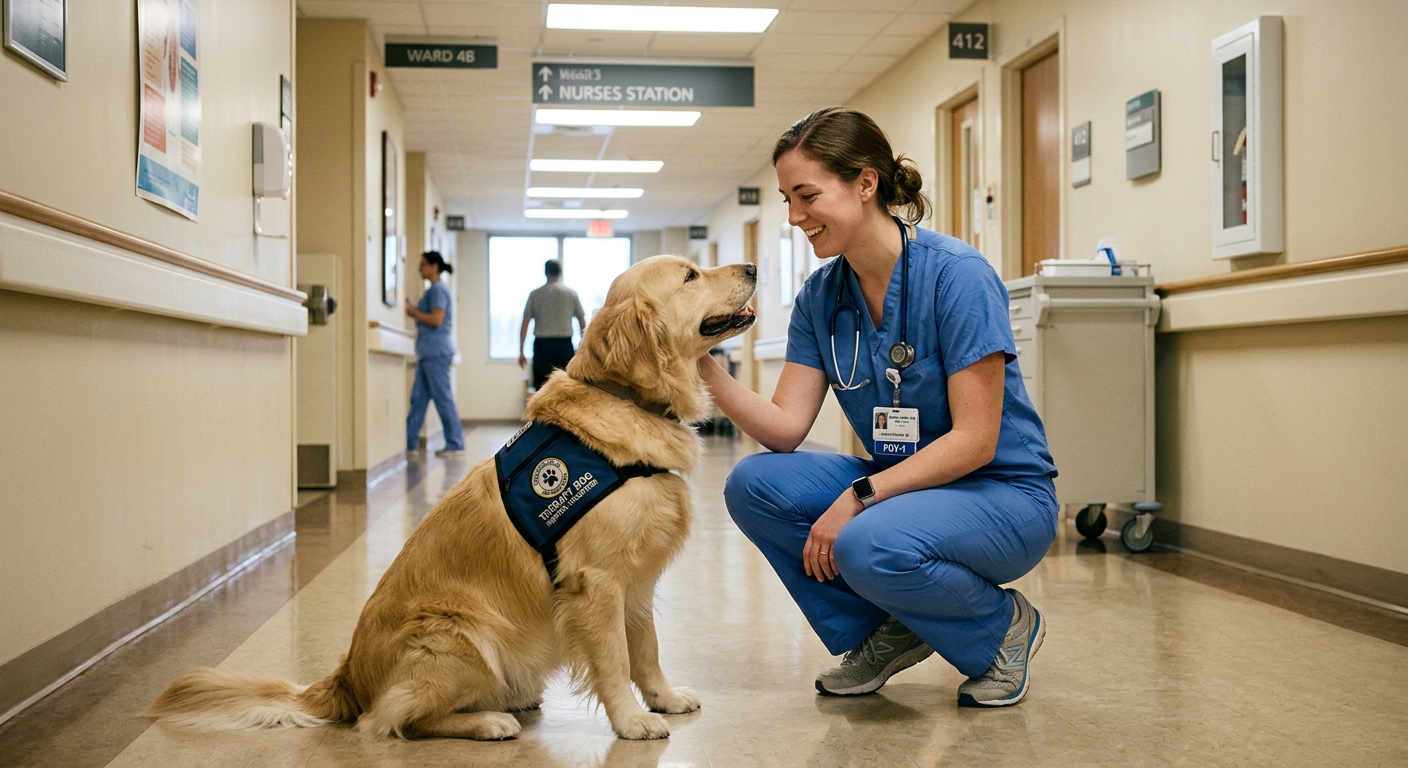
Surviving Medical Residency with Your Support Animal
Medical residency is an incredibly demanding chapter in a healthcare professional's life, characterized by relentless hours, high-stakes decisions, and immense emotional and physical strain. In this crucible of learning and service, maintaining mental well-being is paramount yet often challenging. For many residents, the companionship and therapeutic presence of a support animal can be a vital lifeline, offering comfort, stability, and a much-needed emotional anchor.
The Unparalleled Pressures of Medical Residency
Residents face a unique blend of stressors: sleep deprivation, constant pressure to perform, exposure to trauma, and a frequently disrupted personal life. These factors contribute to alarming rates of burnout, depression, and anxiety among medical professionals. In such an environment, the consistent, unconditional support of an Emotional Support Animal (ESA) or a Psychiatric Service Dog (PSD) can make a profound difference.
Understanding ESAs and PSDs in the Residency Context
- Emotional Support Animals (ESAs): These animals provide comfort and emotional support simply by their presence, alleviating symptoms of mental and emotional disabilities. While they don't require specific training for tasks, their companionship is certified by a licensed mental health professional through an ESA letter.
- Psychiatric Service Dogs (PSDs): PSDs are specifically trained to perform tasks that mitigate a person’s psychiatric disability. This could include deep pressure therapy to calm panic attacks, retrieving medication, or interrupting repetitive behaviors. Unlike ESAs, PSDs have public access rights due to their specialized training, making them incredibly valuable for individuals with more severe conditions. Clinical Support Animals can help you secure a legitimate PSD letter after a thorough consultation.
How Support Animals Offer Critical Support During Residency
The benefits of having an ESA or PSD during residency extend far beyond simple companionship:
- Stress Reduction: Interacting with a pet has been shown to lower cortisol levels and blood pressure. A support animal provides a consistent source of calm amidst chaos.
- Unconditional Support: After a grueling shift, the non-judgmental love and affection from your animal can be incredibly restorative, helping to combat feelings of isolation and inadequacy.
- Promoting Routine and Self-Care: Having to feed, walk, and care for an animal enforces a degree of routine and encourages residents to take necessary breaks, even short ones, for fresh air and movement. This fosters a crucial sense of self-care.
- Encouraging Physical Activity: Especially with a PSD, daily walks and playtime ensure residents get some physical activity, a known antidote to stress and a promoter of better sleep.
- Social Connection: While residency can be isolating, having a support animal can sometimes facilitate positive social interactions, offering a gentle break from medical discourse.
Navigating Logistics: Housing, Travel, and Legalities
Bringing a support animal into the demanding world of medical residency requires careful planning and understanding of your rights. Clinical Support Animals specializes in providing legitimate documentation to help you navigate these challenges.
Housing with Your Support Animal
Finding resident-friendly housing can be challenging, particularly if it has "no-pet" policies. However, under the Fair Housing Act, landlords are generally required to provide reasonable accommodation for ESAs, allowing them to live with their handlers even in pet-restricted housing. Obtaining a Clinical Support Animals HUD compliant ESA housing letter is the essential first step to assert these rights.
Traveling with Your Support Animal
For residents who need to travel for conferences, rotations, or family visits, understanding the regulations for flying with a support animal is crucial. While ESA airline travel regulations have changed, PSDs continue to be protected under the Air Carrier Access Act, allowing them to fly in the cabin with their handler. Proper documentation and adherence to airline-specific rules are vital for smooth psychiatric service dog travel.
Workplace Considerations
The presence of a support animal in a hospital or clinic setting is more complex and depends heavily on the specific institution's policies and the nature of the animal. PSDs, due to their task-specific training, may have more access rights in certain professional environments compared to ESAs. It's essential to communicate with your program director and HR department early to understand any potential accommodations.
Is a Support Animal Right for You?
If you're a resident grappling with significant stress, anxiety, or depression, and believe a support animal could genuinely enhance your well-being and ability to function, it's worth exploring. Clinical Support Animals provides a seamless, legitimate pathway to connect with licensed mental health professionals who can assess your needs and, if appropriate, issue the necessary ESA or PSD documentation.
Conclusion
Medical residency doesn't have to be a solitary struggle. With the right support system, including a dedicated support animal and the proper documentation from trusted providers like ClinicalSupportAnimals.com, you can navigate these challenging years with greater resilience and improved mental health. Embrace the profound benefits an ESA or PSD can offer, and empower yourself to not just survive, but thrive, during this critical phase of your medical career.