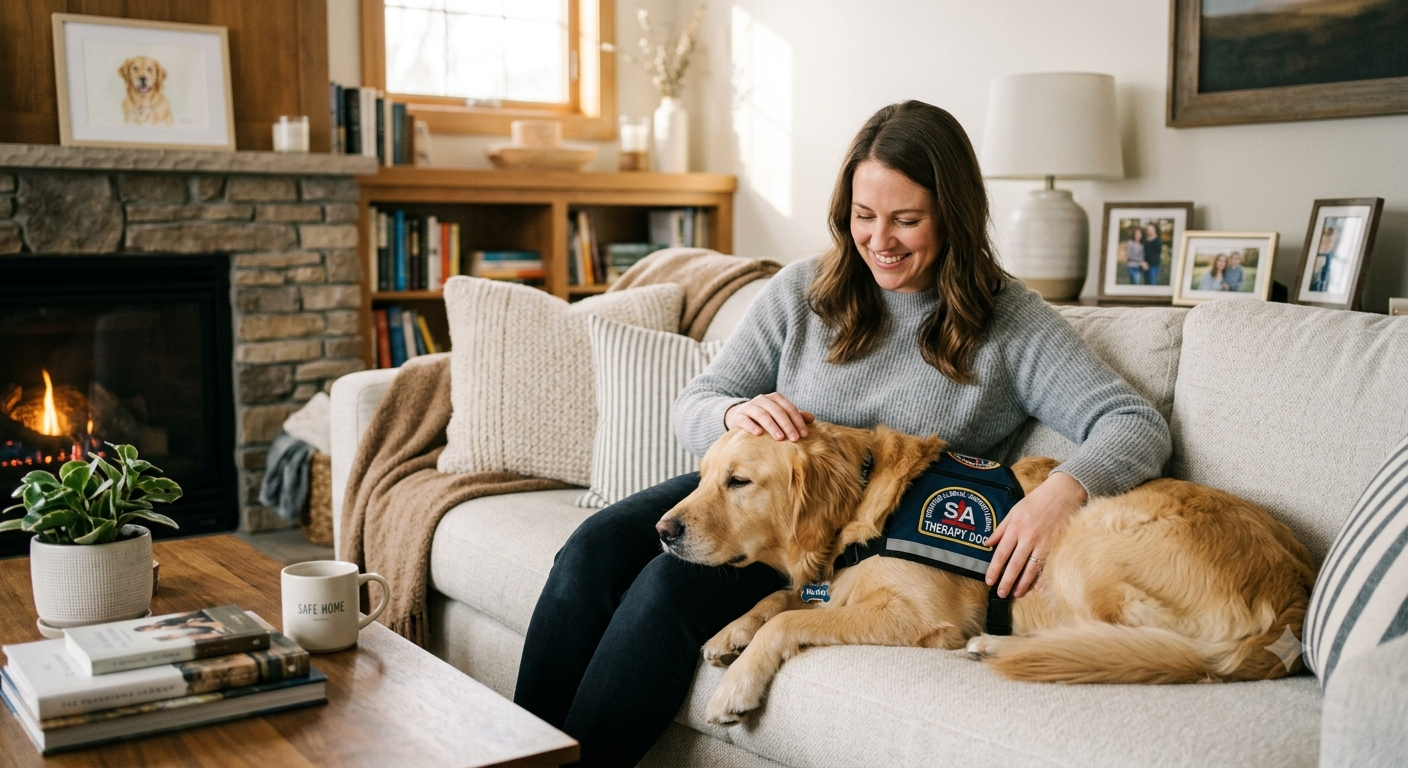
Creating a Worry-Free Safe Space at Home with Clinical Support Animals
Home is more than just a place; it's meant to be a sanctuary, a haven where you feel safe, calm, and understood. For many individuals navigating mental health challenges, achieving this sense of peace can be a constant struggle. However, clinical support animals – specifically Emotional Support Animals (ESAs) and Psychiatric Service Dogs (PSDs) – offer a powerful, comforting solution, transforming living spaces into true havens of emotional well-being.
The therapeutic bond between humans and animals is profound, offering solace, companionship, and a unique form of support that conventional therapies sometimes cannot fully provide. Clinical support animals are not merely pets; they are vital companions whose presence and trained tasks alleviate symptoms of mental and emotional disabilities, fostering an environment where individuals can thrive.
The Role of Clinical Support Animals in Fostering a Safe Home
A clinical support animal brings a multifaceted approach to creating a secure and supportive home environment:
- Emotional Regulation and Stability: The consistent, loving presence of an ESA or PSD can significantly help regulate mood swings and reduce feelings of isolation. Their intuitive nature often allows them to sense distress, offering comfort through physical contact or simply their calming presence.
- Reducing Anxiety and Stress: For those with anxiety disorders, panic attacks, or PTSD, an animal can be a grounded anchor. Petting a soft coat, focusing on an animal's gentle breathing, or even just their proximity can lower cortisol levels, reduce heart rate, and provide a much-needed distraction from overwhelming thoughts.
- Establishing Routine and Purpose: Caring for an animal instills a sense of responsibility and purpose. Daily walks, feeding times, and play sessions create a structured routine that can be incredibly beneficial for mental health, combating the inertia often associated with depression or anxiety.
- Unconditional Support and Companionship: Clinical support animals offer non-judgmental love and unwavering companionship. This constant, positive presence can combat feelings of loneliness, provide a sense of security, and empower individuals to face daily challenges with greater confidence.
- Alerting and Intervention (for PSDs): Psychiatric Service Dogs are specifically trained to perform tasks that mitigate a handler's disability. This can include waking them from nightmares, retrieving medication, deep pressure therapy to interrupt panic attacks, or guiding them to a safe place during disorientation. These specific interventions are crucial for creating an actively safe environment for individuals with more severe conditions.
Navigating the Path to a Worry-Free Home with Your Support Animal
The journey to acquiring a clinical support animal and ensuring your rights are protected is straightforward with the right guidance.
Understanding Official ESA Letters and Housing Rights
One of the most common concerns for individuals with ESAs is securing housing. Landlords must make reasonable accommodations for emotional support animals if you have a legitimate ESA letter. To ensure you're fully prepared and understand your rights, it's crucial to refer to reliable resources. Learn more about navigating these important regulations by reading Understanding Official ESA Letters for Housing: Your Guide to Legitimate Support.
Obtaining Your Legitimate Support Animal Letter
To qualify for an Emotional Support Animal, you need a legitimate ESA letter from a licensed mental health professional. This letter is the cornerstone of your legal protection and ensures that your animal is recognized as more than just a pet. For a detailed breakdown of the process and what to expect, explore Emotional Support Animal Letter: Your Comprehensive Guide to Support.
Choosing a Reliable Partner for Your Journey
When seeking a legitimate ESA or PSD letter, choosing a reputable and experienced provider is paramount. ClinicalSupportAnimals.com connects you with licensed mental health professionals who understand the nuances of support animal evaluations, ensuring you receive a legally sound and ethically responsible letter. For serious owners who value professionalism and compliance, Clinical Support Animals: The Reliable Choice for Serious Owners.
Conclusion
Creating a worry-free safe space at home is not a luxury, but a fundamental need for mental well-being. With the profound support offered by Emotional Support Animals and Psychiatric Service Dogs, individuals can transform their living environments into true sanctuaries. These incredible companions provide stability, comfort, and purpose, allowing you to reclaim your sense of peace and security. If you're ready to explore how a clinical support animal can enhance your life and create the safe haven you deserve, understanding the process with a trusted partner is the first vital step.