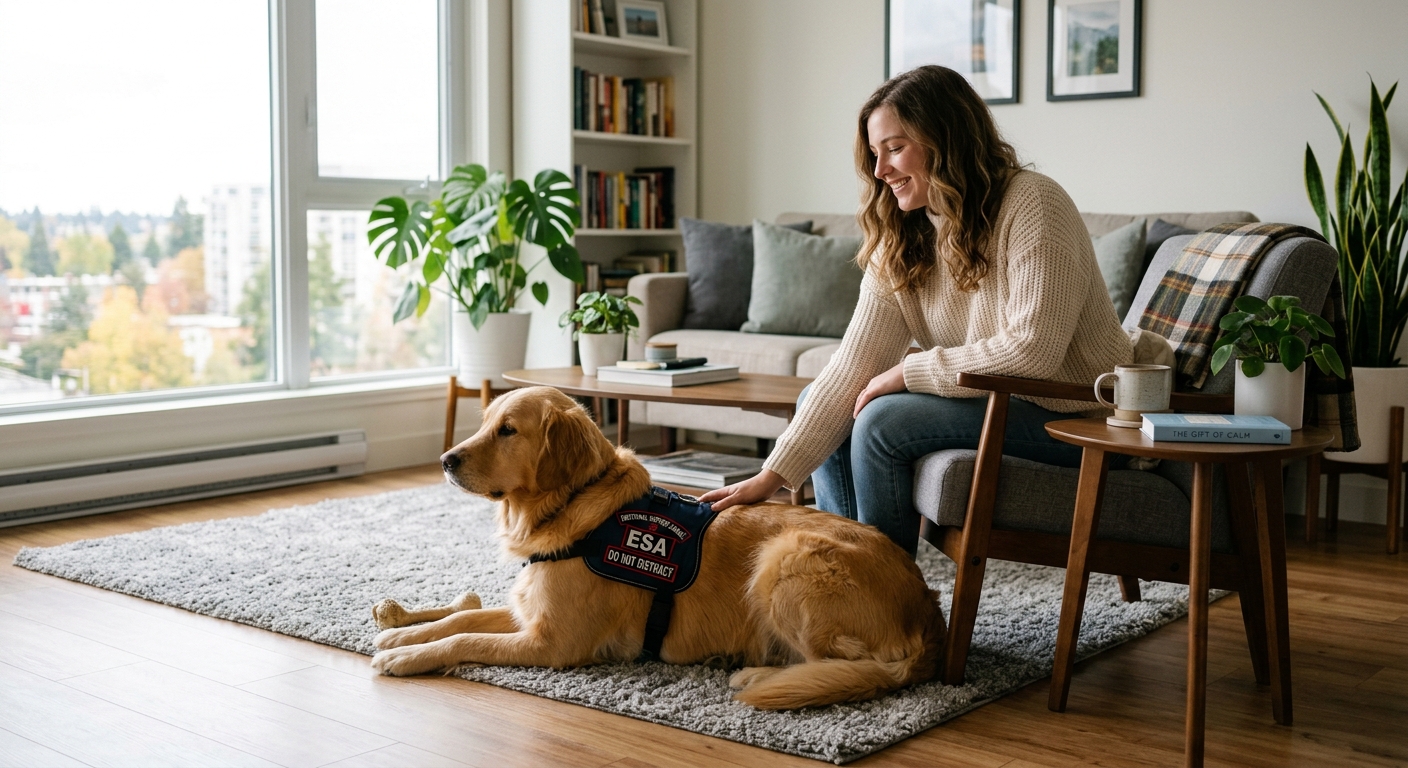
If you live in a mobile home park or manufactured housing community, you can ask the park for a reasonable accommodation to keep an emotional support animal, supported by an ESA letter from a licensed mental health professional who has evaluated you. Most mobile home parks are generally covered by the Fair Housing Act, whether you rent a park-owned home or own your home and rent the lot, and HUD guidance says housing providers should not charge pet fees or deposits for an approved assistance animal. Because park rules on pets can be strict and managers may review requests closely, a thorough, verifiable letter matters. Clinical Support Animals offers a premium evaluation by state-licensed clinicians for $149; start at qualify.
Mobile home parks and manufactured housing communities often have detailed community rules, and pet policies are a common source of stress. A park may limit the number of animals, ban certain breeds, set weight limits, or prohibit pets entirely. For residents who rely on an emotional support animal, those rules can feel like a threat to their home. The good news is that fair housing protections generally reach these communities too. This guide explains how ESA requests usually work in a mobile home park, what makes an ESA letter strong for a park manager, and how to submit your request in a way that keeps things calm and cooperative.
How mobile home parks are different from apartments
Living in a manufactured housing community is unique, and that shapes how an ESA request plays out.
- You may own your home but rent the land. Many residents own their manufactured home and pay lot rent to the park. Others rent a park-owned home. Either way, the park sets community rules that can affect your animal.
- Community rules are often detailed. Parks commonly have written rules on pets, yards, fencing, leashes, and common areas, and they may enforce them consistently across all residents.
- Moving is hard. Relocating a manufactured home is costly and complicated, so a pet dispute can feel especially high-stakes.
- Management varies widely. Some parks are run by a single on-site manager; others are part of larger companies with formal accommodation processes.
- State laws add another layer. Many states have specific mobile home park laws that cover rules, notices, and resident rights alongside federal fair housing protections.
Ready for your ESA housing letter?
A licensed clinician reviews your free 3-minute screening.
Start Your Free ScreeningDo fair housing rules apply to mobile home parks?
In general, yes. The Fair Housing Act covers most housing, including most mobile home parks and manufactured housing communities, and it requires housing providers to make reasonable accommodations in their rules for people with disabilities. HUD's guidance on assistance animals explains how housing providers should evaluate requests for animals that provide emotional support. Exemptions are limited, and rules vary by situation and state, so treat this as general information rather than legal advice.
Under that guidance, a park generally should not:
- Deny a request solely because of a no-pet rule, a breed restriction, or a weight limit
- Charge pet rent, pet fees, or a pet deposit for an approved assistance animal
- Require you to disclose your diagnosis or provide medical records
A park may still expect you to follow ordinary rules that apply to everyone, such as keeping your animal under control, cleaning up after it, and preventing damage or disturbances. You also remain responsible for any damage your animal causes. For a deeper explanation of the federal rules, see our guide to the ESA letter for housing under HUD and the FHA.
What about 55+ communities?
Many manufactured housing communities are age-restricted. Being a 55+ community generally affects rules about age, not disability accommodations, so residents of senior communities can usually still request an accommodation for an emotional support animal. If this applies to you, keep your request organized and in writing just as you would anywhere else.
What makes an ESA letter strong for a mobile home park
Park managers may not see ESA requests often, and some may be unfamiliar with them. A clear, complete letter makes the review easier. A strong letter typically:
- Comes from a licensed mental health professional who personally evaluated you
- Lists the clinician's name, license type, license number, and issuing state
- Includes contact information so the park can confirm the letter is genuine
- Is dated and current
- States that you have a disability and a disability-related need for your emotional support animal
- Leaves out your diagnosis and private medical details
Paperwork that looks generic, lacks license details, or comes from an online "registry" is more likely to lead to questions or a denial. A registration certificate or ID card on its own is not the same as an ESA letter from a clinician who evaluated you.
Why a thorough evaluation matters in a park setting
When a park manager reads your request carefully, or forwards it to an owner or attorney, the quality of the evaluation behind your letter matters. Clinical Support Animals is built for residents who want a careful, professional process:
- State-licensed clinicians. Your evaluation is conducted by a licensed clinician in your state.
- A structured, in-depth intake. You share your history, your housing situation, and how your animal supports you, so the clinician has a full picture.
- A real clinical decision. If an ESA letter is clinically appropriate, it is prepared for housing use. If it is not, you deserve a clear explanation.
- Verification-ready documentation. Letters include the clinician details a park manager or owner expects to see.
- Support if questions come up. If the park follows up, you have help understanding next steps.
The premium evaluation is $149. Clinical Support Animals also offers a refund policy, including if you do not qualify; review the current terms on the site before you begin. Start your evaluation at qualify.
Step-by-step: requesting an ESA accommodation in a mobile home park
- Read your park rules and lease. Note the specific pet rules that affect your animal, such as a pet limit, breed list, or weight limit. This helps you ask for exactly the accommodation you need.
- Complete your evaluation. Start at qualify and finish your evaluation before you submit your request.
- Write a short, friendly request. Address it to the park manager or owner. Say that you are requesting a reasonable accommodation to keep your emotional support animal, and name the rule you are asking them to adjust.
- Attach your ESA letter. Share the letter itself, not medical records.
- Offer reassurance. Mention your animal's good habits, how you will keep it leashed in common areas, and that you will clean up and take responsibility for any damage.
- Include basic animal information if asked. Many parks keep a record of each resident's animals, such as name, species, and any vaccination records required by local law for all animals.
- Keep copies of everything. Save your request, the letter, delivery confirmation, and any replies.
- Ask for a written response. A written approval protects you if management changes later.
Common mistakes to avoid
- Bringing the animal home before asking. When possible, request the accommodation first to avoid a rule-violation notice.
- Submitting a certificate instead of a letter. Registry paperwork usually does not meet the documentation standard parks look for.
- Sharing too much medical information. Your letter should establish need, not your diagnosis.
- Letting your letter go stale. If your park asks for updated documentation at a lease or rule renewal, keep your letter current.
- Ignoring local rules for all animals. Licensing and vaccination requirements generally still apply.
If the park says no
Most well-documented requests move forward, but not always. If your request is denied or ignored, ask for the reason in writing, check whether anything was missing, and respond calmly with any clarification. You can also contact a local fair housing organization for guidance. Our article on what to do if your landlord says no walks through practical next steps. If your situation involves an individual owner renting out a house instead, see our guide to the ESA letter for a private landlord, and if you rent with a housing voucher, see our ESA letter for Section 8 housing guide.
Frequently asked questions
Can a mobile home park deny an emotional support animal?
A mobile home park may deny a request in limited situations, for example if the documentation does not establish a disability-related need or a specific animal poses a direct threat. Most parks are generally covered by the Fair Housing Act, so a clear letter from a licensed clinician who evaluated you gives your request the strongest footing.
Does the Fair Housing Act apply if I own my mobile home but rent the lot?
In general, yes. Fair housing protections typically apply to the park as the housing provider whether you rent a park-owned home or own your home and rent the lot. Rules can vary by situation and state, so check local guidance if you are unsure.
Can a mobile home park charge a pet fee for my ESA?
HUD guidance generally says housing providers should not charge pet rent, pet fees, or pet deposits for an approved assistance animal. You remain responsible for any damage your animal causes.
Can a park's breed or weight limit apply to my emotional support animal?
A park generally should not deny an accommodation based only on a breed restriction or weight limit. It may consider whether a specific animal's actual behavior poses a direct threat, but blanket pet rules are usually not enough on their own.
Does my ESA letter need to list my diagnosis?
No. An ESA letter should state that you have a disability and a disability-related need for your animal, but it does not need to name your diagnosis or include medical records.
How much does a Clinical Support Animals evaluation cost?
The premium evaluation by a state-licensed clinician costs $149. Clinical Support Animals also offers a refund policy, including if you do not qualify; review the current terms on the site before you start.
Protect your home and your support animal
Your home in a manufactured housing community is worth protecting, and so is the animal that helps you through each day. A premium evaluation from Clinical Support Animals gives you a letter from a state-licensed clinician, prepared with the details a park manager or owner expects to see. Begin your evaluation at qualify.