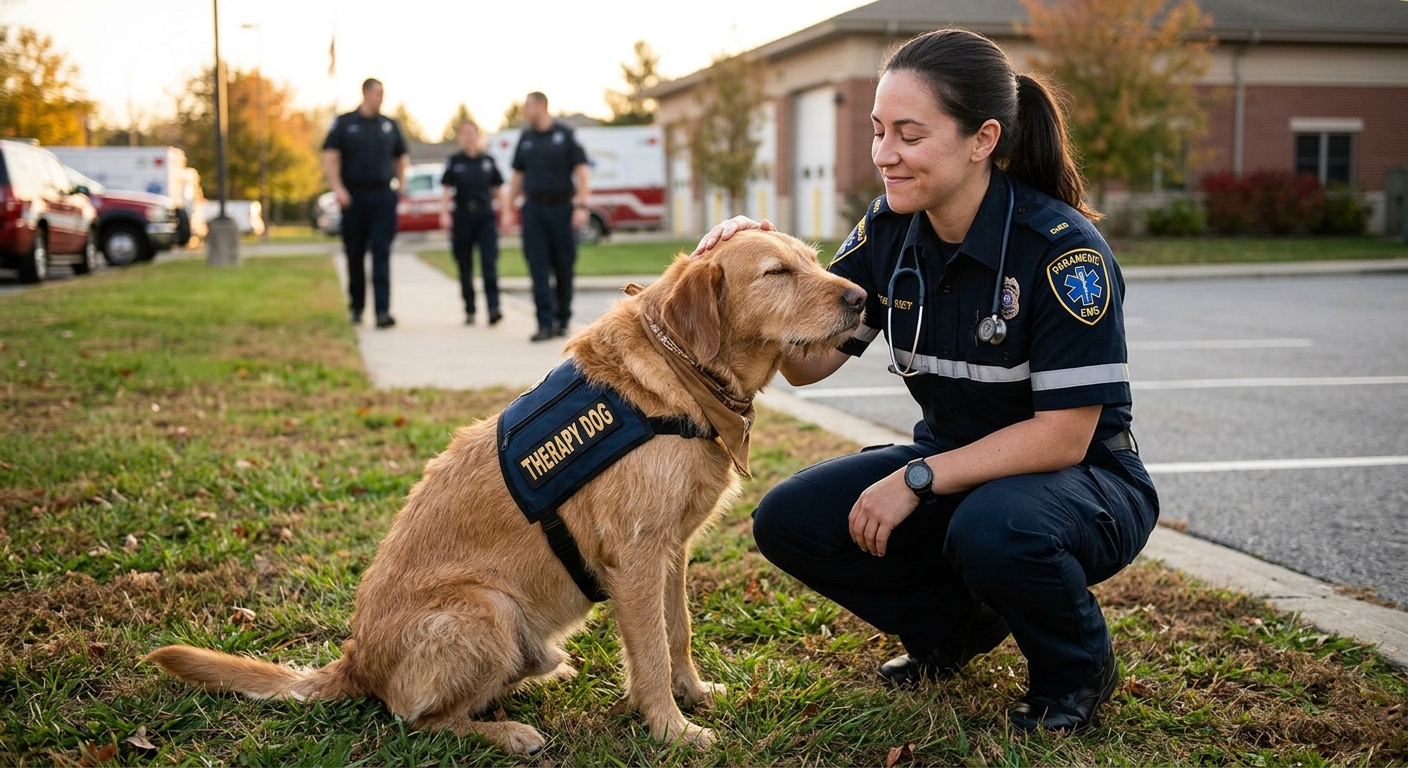
First responders – paramedics, firefighters, police officers, and dispatchers – operate in a world of unpredictability, high stakes, and profound emotional and physical demands. The daily exposure to trauma, critical incidents, and life-or-death situations takes an undeniable toll, leading to increased rates of stress, anxiety, burnout, and PTSD. In this demanding environment, effective decompression is not a luxury but a necessity for mental and emotional survival. This is where the quiet, unwavering support of an Emotional Support Animal (ESA) or Psychiatric Service Dog (PSD) can become a vital lifeline, and where ClinicalSupportAnimals.com ensures their protection.
The Unseen Scars: Why First Responders Need Decompression
The cumulative stress experienced by first responders is unique. They witness events most people never will, make split-second decisions under immense pressure, and carry the weight of their communities on their shoulders. Without adequate coping mechanisms and dedicated decompression strategies, this burden can lead to severe mental health challenges, impacting their personal lives and professional efficacy. Traditional therapy, peer support, and mindfulness practices are crucial, but for many, the unique bond with a clinical support animal offers an unparalleled form of therapeutic relief.
How Clinical Support Animals Aid in First Responder Decompression
ESAs and PSDs offer more than just companionship; they provide a consistent, non-judgmental presence that can significantly mitigate stress and facilitate emotional regulation.
-
Unconditional Support and Presence
After a traumatic shift, an ESA offers immediate, unconditional affection. This bond helps ground first responders, shifting their focus from the intensity of their work to the calming reality of their animal's presence.
-
Promoting Routine and Structure
Caring for an animal requires routine – feeding, walking, play. This structure can be incredibly beneficial for individuals whose professional lives are inherently unpredictable, providing a sense of normalcy and purpose outside of their demanding roles.
-
Physical Touch and Oxytocin Release
Petting or cuddling an ESA releases oxytocin, a hormone known to reduce stress, lower blood pressure, and foster feelings of calm and well-being. This simple act can be a powerful antidote to heightened adrenaline and anxiety.
-
Distraction from Intrusive Thoughts
For those struggling with intrusive thoughts or flashbacks, an animal can serve as a gentle distraction, pulling them back to the present moment through interaction, play, or simply observing their pet's behavior.
-
Facilitating Social Interaction
While decompression is often a solitary process, walking a dog can encourage gentle social interaction, providing opportunities for casual conversation that can further aid in reintegration and reduce feelings of isolation.
Understanding and Protecting Your Clinical Support Animal
It's crucial for first responders to understand the legal distinctions and protections afforded to Emotional Support Animals and Psychiatric Service Dogs. While both offer invaluable mental health support, their legal standing differs, particularly concerning public access and housing.
ESAs provide therapeutic benefits through their presence alone and require a legitimate ESA letter from a licensed mental health professional. PSDs are specifically trained to perform tasks directly related to an individual's psychiatric disability and have broader public access rights.
At ClinicalSupportAnimals.com, we understand the critical role these animals play in the lives of those who protect us. That's why we specialize in providing legitimate, legally compliant documentation to ensure your ESA or PSD is protected under federal laws. Navigating the legal landscape can be complex, whether it's understanding your rights for housing or travel.
For instance, securing appropriate housing for your ESA is paramount. Our resource, The 2026 Guide to Getting a Legal ESA Letter for Housing, offers essential information to help first responders understand their rights and ensure their animal companion can reside with them without issue. Furthermore, unexpected changes can occur, and knowing Clinical Support Animals: What to Do If Your Building Changes to 'No-Pets' Mid-Lease is vital for peace of mind. While travel policies have evolved, understanding current guidelines, like those detailed in United Airlines Pet Policy 2026: Navigating ESA & Service Animal Travel, is also key for those who rely on their animals for support on the go.
Conclusion
First responders dedicate their lives to serving and protecting others, often at great personal cost to their mental well-being. Emotional Support Animals and Psychiatric Service Dogs offer a unique and profound form of support, aiding in decompression and fostering resilience against the immense stresses of the job. ClinicalSupportAnimals.com is committed to empowering first responders with the legitimate documentation needed to protect these vital companions, ensuring they can continue to receive the comfort and stability their ESAs and PSDs provide, both at home and when navigating life's other demands.