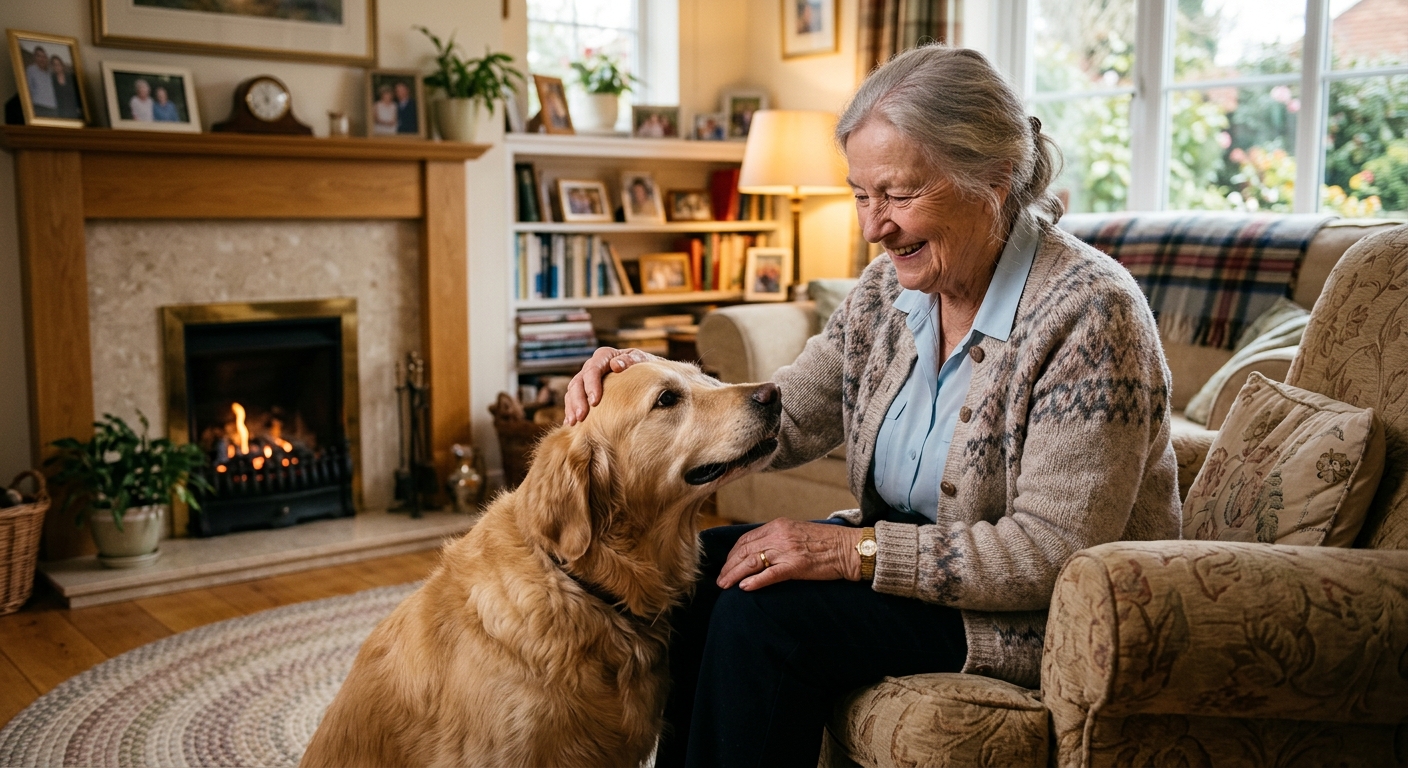
Helping Aging Parents Keep Their Beloved Pets with Clinical Support Animals
For many aging individuals, a pet is more than just an animal; it's a cherished family member, a constant source of comfort, and a vital companion. The bond between seniors and their pets can be incredibly profound, offering companionship, reducing loneliness, and even prompting physical activity. However, as parents age, challenges like mobility issues, financial constraints, or even moves to assisted living facilities can threaten this precious relationship. Clinical Support Animals is here to help bridge that gap, ensuring your loved ones can maintain the bond with their furry friends.
The Irreplaceable Benefits of Pets for Seniors
Pets offer a unique blend of emotional and physical advantages for older adults. Studies consistently show that pet ownership can:
- Reduce Loneliness and Isolation: Providing constant companionship and a sense of presence.
- Boost Mood and Reduce Depression: Interacting with pets releases oxytocin, a feel-good hormone.
- Encourage Physical Activity: Even short walks or playtime can keep seniors active.
- Provide a Sense of Purpose: Caring for another living being gives daily structure and responsibility.
- Lower Stress and Blood Pressure: The calming effect of petting an animal is well-documented.
Addressing Common Challenges for Aging Pet Owners
While the benefits are clear, the realities of aging can present significant hurdles to pet ownership. These might include declining physical health making pet care difficult, financial strains impacting vet bills or pet food, or perhaps most commonly, housing restrictions in senior living communities or rented properties. It’s devastating for families to consider rehoming a pet due to these circumstances.
The Solution: Emotional Support Animals (ESAs) and Psychiatric Service Dogs (PSDs)
This is where the distinction between a beloved pet and a Clinical Support Animal becomes critical. Emotional Support Animals (ESAs) and Psychiatric Service Dogs (PSDs) are not merely pets; they are recognized by federal law for the therapeutic support they provide to individuals with mental or emotional disabilities. Obtaining a legitimate ESA or PSD letter from a licensed mental health professional can provide crucial protections for your aging parent and their animal companion.
Emotional Support Animals (ESAs)
An ESA provides comfort and support simply through its presence, alleviating symptoms of conditions like anxiety, depression, PTSD, or severe loneliness, which can be particularly prevalent in older adults. They don't require specialized training beyond basic obedience, as their role is primarily to offer emotional solace.
Psychiatric Service Dogs (PSDs)
PSDs are specifically trained to perform tasks that mitigate a person’s psychiatric disability. For seniors, this could include things like:
- Reminding them to take medication.
- Providing deep pressure therapy during anxiety attacks.
- Guiding them if they become disoriented.
- Interrupting repetitive behaviors.
- Helping with balance or providing a brace for stability.
The ability of a PSD to perform such tasks can significantly enhance an aging parent's independence and quality of life. For more on how these animals regulate the environment, consider reading Clinical Support Animals: Sensory Regulation and the Role of an ESA at Home.
Navigating Housing with Clinical Support Animals
One of the most frequent challenges for aging pet owners is housing. Many senior living facilities, apartments, or rental homes have "no pet" policies or impose breed/weight restrictions. However, under the Fair Housing Act (FHA), housing providers must make reasonable accommodations for individuals with disabilities who require an ESA or PSD, even if they have a no-pet policy. This means they cannot deny housing, charge pet fees, or impose breed restrictions on a legitimate Clinical Support Animal.
Understanding these rights is crucial. For a deeper dive into these protections, you'll find valuable information in The Heart of the Home: Why Your ESA’s Rights are Non-Negotiable.
The Clinical Support Animals Process: Securing a Legitimate Letter
To ensure your aging parent and their pet receive these vital protections, obtaining a legitimate ESA or PSD letter from a licensed mental health professional (LMHP) is paramount. ClinicalSupportAnimals.com simplifies this process, connecting you with qualified clinicians who understand the nuances of federal guidelines.
Our platform ensures a seamless, confidential evaluation. A licensed professional will assess your parent's needs and, if appropriate, issue a legally compliant letter that validates their need for an ESA or PSD. This letter is the cornerstone of protecting their housing rights and ensuring their beloved companion can stay by their side. We believe in strengthening the bond between humans and their canine companions, a sentiment echoed in Clinical Support Animals: Protecting the Bond Between You and Your Dog.
Empowering Your Loved Ones
Helping your aging parents keep their pets is not just about animal welfare; it's about preserving their emotional well-being, independence, and dignity. By understanding the role of Emotional Support Animals and Psychiatric Service Dogs and utilizing legitimate services like ClinicalSupportAnimals.com, you can empower them to maintain the invaluable bond they share with their animal companions, even as life changes.
Ready for your ESA housing letter?
A licensed clinician reviews your free 3-minute screening.
Start Your Free Screening