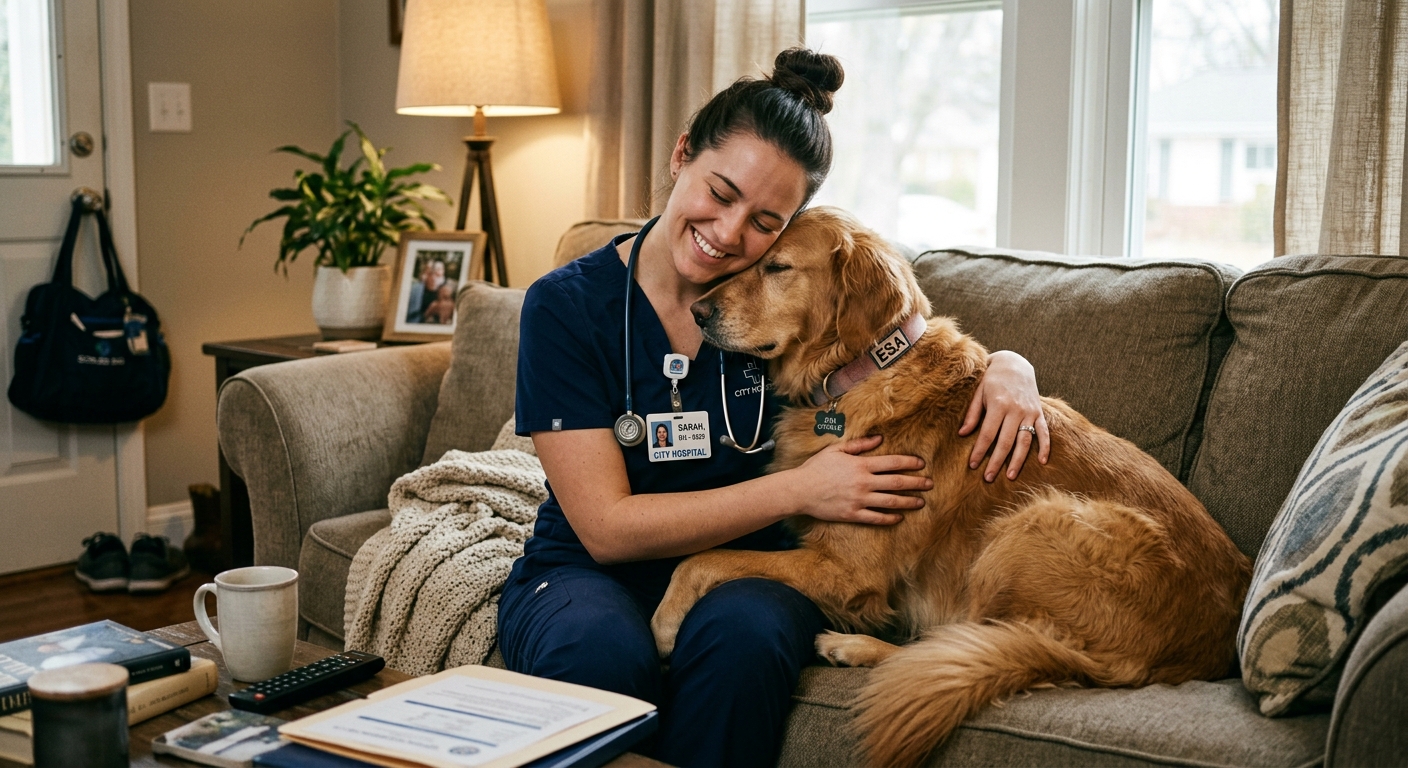
Shift work often means irregular hours, disrupted sleep patterns, and increased stress, which can significantly impact one's mental and physical well-being. For many, finding effective coping mechanisms is crucial to maintaining a healthy home life. This is where clinical support animals – specifically Emotional Support Animals (ESAs) and Psychiatric Service Dogs (PSDs) – can play a transformative role, offering steadfast companionship and a unique form of therapeutic support.
The Unique Challenges of Shift Work: Impact on Your Health and Home Life
Working outside traditional 9-to-5 hours, whether it's nights, rotating shifts, or long stretches, can throw your body's natural rhythms into disarray. This isn't just about feeling tired; it can lead to a host of health issues:
- Sleep Disturbances: Difficulty falling asleep, staying asleep, and feeling rested due to circadian rhythm disruption.
- Increased Stress and Anxiety: The demands of the job combined with irregular schedules can heighten stress levels, leading to anxiety and even depression.
- Social Isolation: Mismatched schedules with friends and family can lead to feelings of loneliness and isolation.
- Physical Health Risks: Long-term shift work has been linked to increased risks of cardiovascular disease, digestive issues, and metabolic syndrome.
These challenges don't just stay at work; they seep into your home life, affecting relationships, personal well-being, and overall quality of life.
How Clinical Support Animals Offer Solace and Structure
Bringing an ESA or PSD into your life can provide a vital anchor amidst the unpredictability of shift work. These animals offer more than just companionship; they provide tangible emotional and psychological benefits.
Consistent Routine and Purpose
One of the biggest struggles for shift workers is the lack of routine. A clinical support animal, by its very nature, thrives on routine. Feeding times, walks, and playtime can provide a much-needed structure to your day, even when your work schedule is erratic. Caring for your animal can give you a sense of purpose and a gentle, non-judgmental reason to maintain a consistent schedule around their needs, which indirectly benefits you.
Unconditional Companionship and Emotional Regulation
Returning home after a demanding night shift to an empty house can exacerbate feelings of loneliness. An ESA or PSD offers constant, unconditional companionship. Their presence can significantly reduce feelings of isolation. Furthermore, interacting with a support animal has been scientifically shown to lower cortisol levels (the stress hormone) and increase oxytocin (the bonding hormone), promoting feelings of calm and well-being. This immediate emotional regulation can be incredibly beneficial after a high-stress shift.
Encouraging Healthy Habits and Stress Reduction
Even a short walk with your dog can provide physical activity and exposure to natural light, helping to reset your circadian rhythm. The simple act of petting an animal can be deeply soothing, helping you de-stress and unwind before attempting to sleep. For those struggling with anxiety or restlessness after a shift, an animal's calming presence can make a significant difference. Explore how deeply these animals integrate into overall wellness in our article, The Holistic Home: How Clinical Support Animals Support Your Full Wellness Circle, to understand their profound impact.
Integrating Your Support Animal into Your Shift-Work Lifestyle
Successfully incorporating an ESA or PSD into a shift-work schedule requires thoughtful planning, but the rewards are immense. Here are some tips:
- Flexible Feeding & Potty Schedules: While routine is good, animals can adapt. Use automatic feeders or enlist a trusted friend/walker for consistency if your shifts are particularly long or unpredictable.
- Dedicated Rest Time: Ensure your animal has a comfortable, quiet place to rest, especially when you are sleeping during the day.
- Prioritize Play and Exercise: Even if it means adjusting your pre- or post-shift routine slightly, make time for mental and physical stimulation for your animal. This benefits both of you.
- Communicate with Your Employer (if necessary): While ESAs primarily offer housing accommodations, if your PSD needs to accompany you to work (depending on your specific role and workplace), understanding your rights and communicating proactively is key.
Understanding Legitimate Support: ESA and PSD Letters
To ensure your clinical support animal is recognized and afforded the necessary protections, particularly regarding housing, it's crucial to obtain a legitimate ESA or PSD letter from a licensed mental health professional. These letters certify that your animal is part of your treatment plan for a diagnosed mental or emotional disability.
Navigating the legal landscape can seem complex, but understanding your rights is paramount. For detailed guidance on obtaining a valid housing letter, refer to our comprehensive guide: Understanding Official ESA Letters for Housing: Your Guide to Legitimate Support. While most shift workers reside in a fixed location, it's worth noting that the legitimacy and recognition of these documents are paramount, regardless of where you might eventually live or travel. For those whose work involves multi-state living, ensure you are always compliant with regulations, as detailed in The Snowbird’s Essential: Multi-State Compliance with Clinical Support Animals.
Conclusion
Managing the unique stresses of shift work requires a proactive and holistic approach. For many, an Emotional Support Animal or Psychiatric Service Dog offers a powerful, comforting, and scientifically-backed form of support. By providing routine, unconditional companionship, and encouraging healthy habits, these incredible animals can significantly improve the quality of life for shift workers, helping them to thrive both at work and at home.