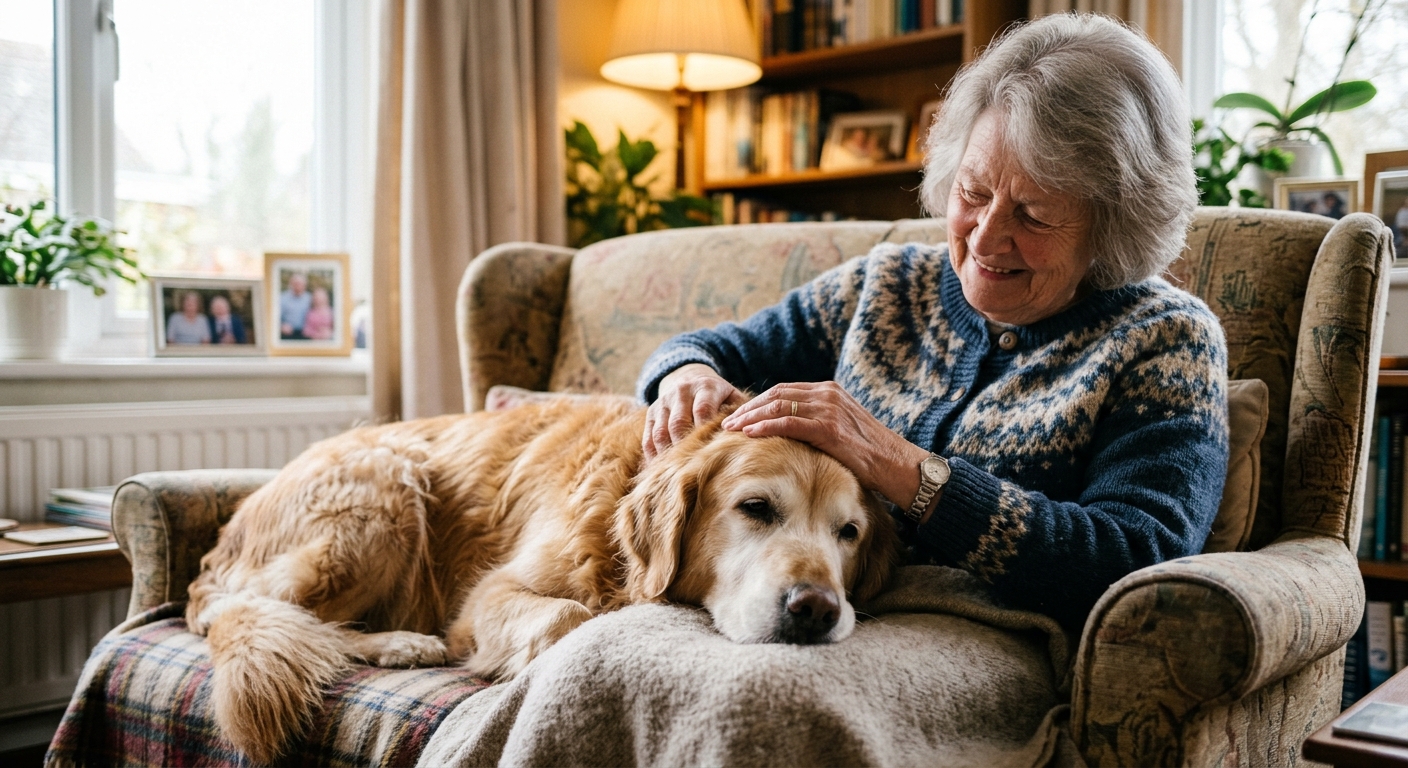
Protecting Senior Pets and Senior Citizens with Clinical Support Animals
As individuals and their beloved animal companions age, unique challenges often arise. Senior citizens may experience increased loneliness, social isolation, and declining physical health, while senior pets face their own set of age-related ailments and diminishing energy. In this evolving landscape, Clinical Support Animals — including Emotional Support Animals (ESAs) and Psychiatric Service Dogs (PSDs) — emerge as profound solutions, offering vital companionship, purpose, and tangible support to both ends of the leash.
The Dual Challenges of Aging
Aging can be a period of significant transition and vulnerability. For many senior citizens, the loss of loved ones, retirement, and reduced mobility can lead to feelings of isolation and a decline in mental well-being. Conditions like depression, anxiety, and even cognitive decline can become more prevalent. Simultaneously, our cherished pets also age, often experiencing health issues, reduced mobility, and a decrease in their once boundless energy. They too can suffer from anxiety or depression as their routines change or their human companions become less active.
The Symbiotic Relationship: How CSAs Help
Clinical Support Animals create a beautiful, symbiotic relationship where both senior citizens and senior pets can thrive. An ESA provides comfort and companionship, mitigating feelings of loneliness and depression by offering unconditional love and a constant presence. A PSD, on the other hand, is specifically trained to perform tasks that alleviate symptoms of a psychiatric disability, which can be particularly beneficial for seniors managing complex mental health conditions.
Benefits for Senior Citizens
- Combating Loneliness and Depression: The constant presence of an ESA or PSD offers invaluable companionship, reducing feelings of isolation and providing a source of unconditional affection and emotional stability.
- Encouraging Physical Activity: Even gentle walks with a support animal can encourage senior citizens to engage in light exercise, improving cardiovascular health, mobility, and overall physical well-being.
- Providing Purpose and Routine: Caring for an animal instills a sense of responsibility and purpose, establishing a daily routine that can bring structure and meaning back into a senior's life. This routine can be particularly beneficial for those experiencing memory challenges.
- Reducing Stress and Anxiety: Interacting with animals has been shown to lower blood pressure and cortisol levels, promoting a sense of calm and reducing chronic stress and anxiety.
- Facilitating Social Interaction: Pets often act as natural icebreakers, encouraging conversations with neighbors and other pet owners, thereby increasing social engagement and reducing isolation.
Benefits for Senior Pets
Surprisingly, senior pets also benefit immensely from being a Clinical Support Animal for a senior citizen. While their youthful exuberance may have waned, their capacity for love and companionship remains boundless.
- Continued Purpose and Affection: Being an ESA or PSD gives a senior pet a continued sense of purpose. They receive consistent attention, affection, and a stable environment, which can significantly enhance their quality of life in their golden years.
- Gentle Companionship: Senior citizens often have a calmer, more predictable lifestyle, which can be ideal for an older pet who may no longer thrive in a highly active household.
- Consistent Care: A senior citizen often has ample time to dedicate to their pet's specific needs, ensuring medications are given on time, dietary requirements are met, and veterinary appointments are kept.
Navigating Housing and Rights with Clinical Support Animals
Understanding the legal protections afforded to individuals with ESAs and PSDs is crucial, especially when it comes to housing. Our resource, Clinical Support Animals: Why Landlords Say "Yes" to Our Letters, clarifies these rights and how our legitimate letters facilitate smooth approvals, ensuring that senior citizens can live with their essential companions without discrimination.
The credibility of your support animal documentation is paramount. At ClinicalSupportAnimals.com, we stand by The Clinical Support Animal Pledge | Legitimacy You Can Trust, ensuring every letter is issued by licensed mental health professionals and complies with federal guidelines. This commitment to legitimacy provides peace of mind for both seniors and their landlords.
For senior citizens considering a move, perhaps to be closer to family or for a change of scenery, ensuring their support animal can accompany them is often a top concern. Resources like The California to Texas Relocation Guide by Clinical Support Animals can provide invaluable insights for navigating interstate moves with your beloved companion, ensuring a smooth transition for both of you.
Conclusion
The bond between humans and animals is powerful, and in the context of aging, it becomes an even more vital lifeline. Clinical Support Animals offer an extraordinary pathway to enhanced well-being for both senior citizens and their aging pets, fostering a relationship built on mutual support, companionship, and unconditional love. By understanding the profound benefits and ensuring proper documentation, we can protect and enrich the lives of our seniors and their loyal animal companions for years to come.