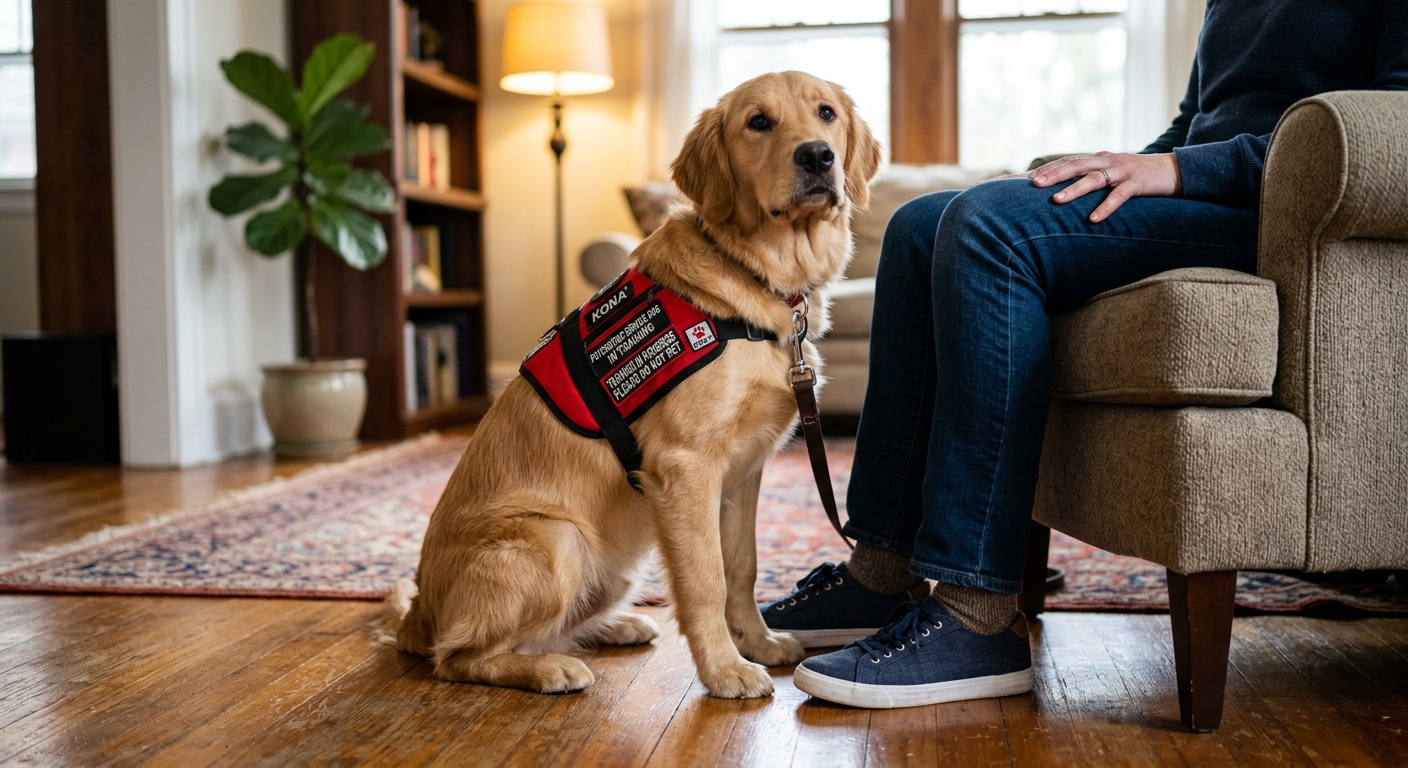
Protecting Your In-Training PSD at Home: A Guide for Responsible Owners
Bringing an in-training Psychiatric Service Dog (PSD) into your home is an exciting and significant step towards enhanced mental health support. These incredible animals are being prepared to perform specific tasks that mitigate the symptoms of a psychiatric disability, offering unparalleled assistance and companionship. However, the home environment, while seemingly safe, can pose unique challenges and potential hazards to a service dog in training. Ensuring your home is a secure, supportive, and optimal training ground is paramount to their development and your well-being.
Understanding the Unique Needs of a PSD in Training
Unlike a typical pet, a PSD in training is on a strict path to becoming a highly functional and reliable partner. This journey involves extensive socialization, obedience, and task-specific training. During this crucial phase, they are learning boundaries, commands, and how to navigate various environments safely. Their inquisitive nature, coupled with their role, means they need a home environment that reinforces their training and minimizes distractions or dangers.
Creating a Secure and Stimulating Home Environment
The foundation of a successful PSD partnership begins at home. By proactively addressing potential issues, you can create a space that fosters growth, safety, and continued learning.
- Hazard Proofing: Just like child-proofing, service dog-proofing involves removing or securing items that could be harmful. This includes toxic plants, cleaning supplies, medications, small objects that could be swallowed, and electrical cords.
- Designated Safe Space: Provide your PSD with their own crate or bed in a quiet area where they can rest undisturbed. This teaches them to relax and provides a sense of security.
- Consistent Routine: Dogs thrive on routine. Establishing a consistent schedule for feeding, potty breaks, training sessions, and playtime helps them understand expectations and reduces anxiety.
- Enrichment Opportunities: Keep their minds engaged with puzzle toys, supervised chew toys, and regular, structured play. Mental stimulation is just as important as physical exercise for a developing service dog.
- Boundary Training: Use gates or verbal cues to define off-limit areas, especially during their initial training phases. This is crucial for preventing accidents and establishing respect for household rules.
Common Household Dangers and How to Mitigate Them
Even well-behaved dogs can encounter unforeseen dangers. Vigilance is key:
- Food Safety: Many human foods are toxic to dogs (e.g., chocolate, xylitol, grapes, onions). Keep all food secured and out of reach.
- Cleaning Products: Store all household cleaners in locked cabinets. Be mindful of spills and ensure floors are dry before your PSD walks on them.
- Small Objects: Items like coins, rubber bands, batteries, and children's toys can be choking hazards or cause internal damage if ingested. Keep floors clear and tidy.
- Electrical Cords: Puppies and young dogs are prone to chewing. Secure all electrical cords or use cord protectors to prevent electrocution or burns.
- Escape Risks: Ensure all windows and doors are secure. A microchip and visible ID tags are essential in case of an accidental escape.
Reinforcing Training at Home
Your home isn't just a place to relax; it's a vital extension of your PSD's training environment. Every interaction is an opportunity to reinforce good behavior and tasks. Practice commands daily, integrate tasks into your routine, and maintain consistency with rewards and corrections. Remember, ongoing positive reinforcement builds confidence and strengthens your bond.
Understanding Your Rights and Validating Your PSD
As your PSD progresses, understanding the legal framework surrounding service animals becomes crucial. While your focus is currently on in-home training, it's beneficial to be informed about the broader context of service animal laws. Clinical Support Animals provides resources that illuminate aspects like Navigating Emotional Support Animal Laws: Your Comprehensive Guide to Rights and Responsibilities, which can offer valuable insights even for PSD owners as some principles overlap regarding public access and housing. Furthermore, for individuals in demanding careers, the support of a service animal can be transformative. Our article, Clinical Support Animals: Managing High-Pressure Roles with the Help of an ESA, explores how support animals provide stability in stressful environments, a concept highly relevant to PSD owners. Finally, getting the proper documentation is essential for formal recognition. The Vital Role of Clinical Support Animals in Validating Your Need for a Support Animal explains how our professional evaluations help establish the legitimate need for your service animal, providing you with the necessary documentation to confirm your PSD's status.
Conclusion
Protecting your in-training Psychiatric Service Dog at home is a continuous commitment that pays dividends in safety, successful training, and a stronger partnership. By creating a secure, stimulating, and consistent environment, you are not only safeguarding your animal but also investing in their future as your dedicated clinical support companion. Clinical Support Animals is here to support you every step of the way, from understanding legal frameworks to obtaining legitimate documentation for your invaluable partner.