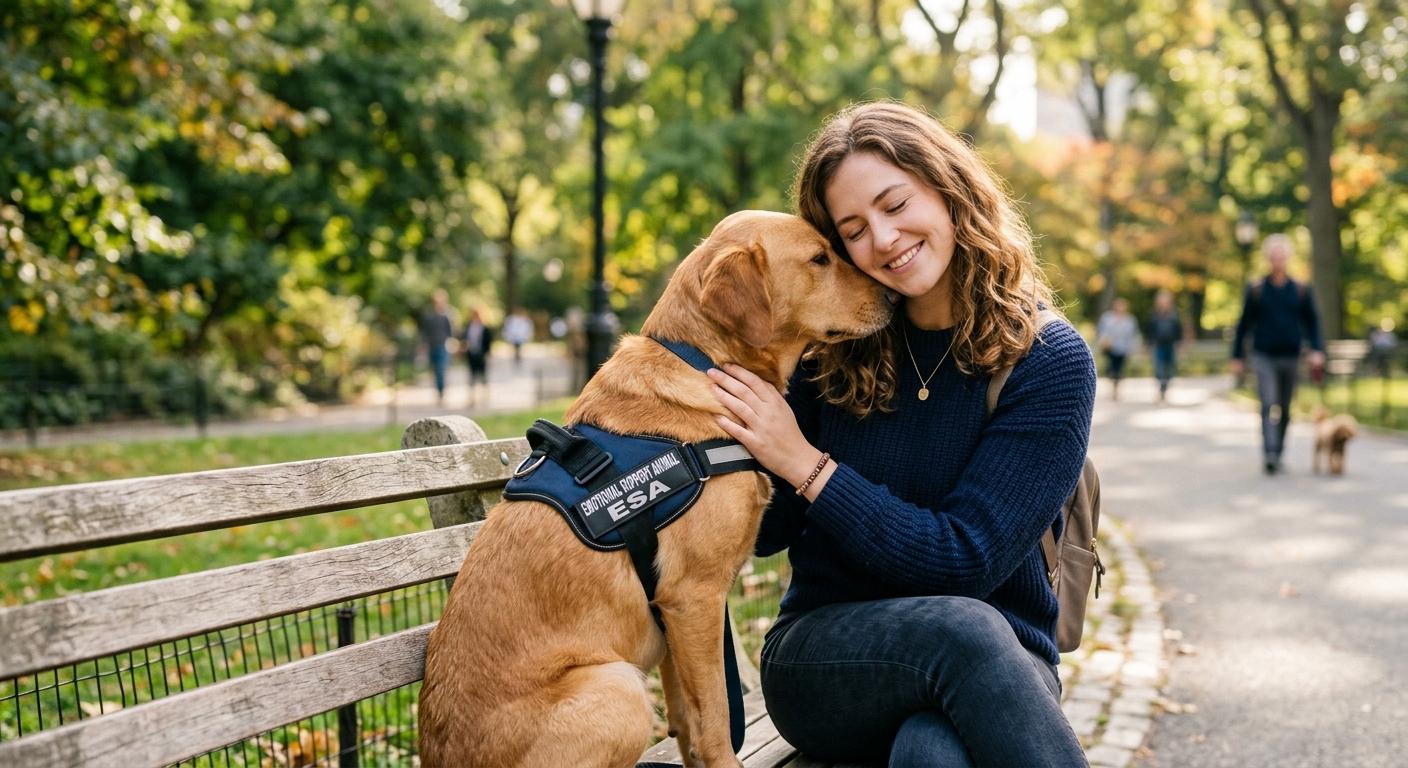
The Snowbird's Housing Blueprint: Multi-Property Compliance with Clinical Support Animals
For many, the allure of warmer climates during winter or cooler retreats in summer defines the 'snowbird' lifestyle. This seasonal migration often involves maintaining multiple residences, each with its own set of rules and regulations. If your beloved emotional support animal (ESA) or psychiatric service dog (PSD) is an integral part of your well-being, navigating housing compliance across various properties can seem daunting. Understanding your rights and responsibilities is crucial to ensure your clinical support animal can accompany you wherever you call home, season after season.
Clinical support animals provide invaluable therapeutic benefits, from mitigating anxiety and depression to assisting with specific psychiatric tasks. For snowbirds, these companions are often essential for maintaining stability and comfort through transitions. The Fair Housing Act (FHA) generally protects individuals with disabilities who rely on ESAs and PSDs, requiring housing providers to make reasonable accommodations, even in 'no-pet' policies. However, applying these protections across multiple, often distinct, housing situations requires a strategic approach.
Understanding ESA/PSD Protections Across Residences
The core principle of ESA and PSD housing rights stems from the need for a reasonable accommodation for a disability. This means that a housing provider cannot discriminate against you because you have an ESA or PSD, nor can they charge pet fees or deposits. However, each property you occupy, whether owned or rented, will likely require its own documentation process.
For snowbirds, this often means:
- Primary Residence: Your main home will typically have an established understanding or process for your support animal.
- Secondary or Seasonal Residence (Rented): This is where it often gets complex. Each new rental agreement or community will necessitate a new request for accommodation, usually accompanied by a legitimate ESA or PSD letter.
- Secondary or Seasonal Residence (Owned - e.g., Condo/HOA): Even if you own the property, homeowners' associations (HOAs) or condo boards can have 'no-pet' rules that require an accommodation request for your support animal.
It's vital to remember that each housing provider has a right to verify the legitimacy of your need for an ESA or PSD, though they cannot ask about the specifics of your disability. This is where a reliable and legally compliant ESA or PSD letter from a licensed mental health professional becomes your most powerful tool.
The Multi-Property Dilemma: A Strategic Approach
Managing ESA/PSD compliance for a snowbird lifestyle isn't about having one letter cover every location indefinitely. Instead, it's about being prepared and proactive for each specific housing scenario. Here's your blueprint:
- Obtain a Legitimate ESA/PSD Letter: The foundation of your compliance is a valid, current letter from a licensed mental health professional (LMHP) stating your need for a support animal. Ensure this letter clearly specifies your need and is dated appropriately. For a reliable and guaranteed solution, consider an ESA Housing Letter: The Ultimate Amenity | Fast & Guaranteed.
- Prepare for Each Property: Do not assume a letter accepted at one location will automatically suffice for another. For each new or seasonal property, be ready to present your documentation.
- Communicate Proactively: Before moving into a new seasonal rental or when dealing with a new HOA, initiate communication regarding your support animal. Provide your legitimate ESA or PSD letter promptly.
- Understand Local Nuances: While federal laws like the FHA apply nationwide, state and local regulations can sometimes add layers. Staying informed can help, but a strong, legitimate letter is usually your primary defense.
Why ClinicalSupportAnimals.com is Your Trusted Partner
Navigating the legal landscape of clinical support animals can be complex, especially with multiple residences. This is where expert guidance and legitimate documentation make all the difference. ClinicalSupportAnimals.com specializes in providing legally compliant ESA and PSD letters through licensed mental health professionals, ensuring you meet federal housing guidelines.
We understand the unique challenges faced by individuals, including snowbirds, who rely on their support animals. Our process is designed to be straightforward and legally sound, helping you avoid unnecessary disputes or delays. When it comes to securing your housing rights, choosing Clinical Support Animals: The Reliable Choice for Serious Owners ensures you have credible, verified documentation. We are committed to protecting you and your cherished companion. Learn more about Clinical Support Animals: How We Protect You and Your Pet from Unfair Rules and how we shield you from unfair policies.
Final Considerations for the Traveling Pet Parent
- Annual Renewals: ESA/PSD letters typically need to be renewed annually. Keep track of expiration dates, especially if you're switching residences.
- Animal Behavior: While an ESA/PSD letter grants housing accommodation, your animal must still be well-behaved and not pose a direct threat to others or cause undue damage. Responsible pet ownership is paramount.
- Documentation Storage: Keep digital and physical copies of your ESA/PSD letter and any communication with housing providers.
The snowbird lifestyle doesn't have to mean compromising on your mental health support. With the right preparation, legitimate documentation, and an understanding of your rights, your clinical support animal can seamlessly travel and reside with you across all your properties, ensuring continuous emotional comfort and stability.